Electrical Safety for Office Workers: 10 Simple Tips
 Leaf Team
 2026 / 01 / 07
 568
568
Offices are generally safe but electrical hazards exist and can be overlooked.
From overloaded power bars to damaged cords, simple mistakes can lead to serious risks, including fires and electric shocks. Protecting yourself and your colleagues requires awareness and potentially proactive maintenance.
Office workers need to have an awareness of what electrical hazards are and how they work.
Imagine this situation...
A colleague gets shocked while working on something and goes unconscious; are you aware whether it's a good idea to go over and try pulling/touching the worker. Did you know their body may still be energized?
Let’s cover a couple basic concepts for a full understanding:
What is shock?

Even if you are a trained & experienced electrical worker it is important to remind ourselves of some fundamentals.
Shock is current flowing through your body. Depending on the amount of current, path through the body, and duration, it can cause anything from a mild tingling sensation to severe injury or death. If you want to learn even more about shock please visit our blog.
What is an Arc Flash?
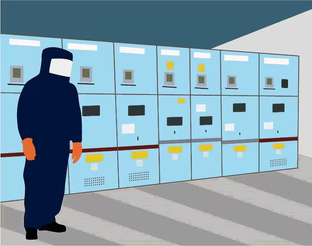
An arc flash is an uncontrolled release of energy caused by an electric arc which exposes any person within its reach to a multitude of hazards. What are those hazards? → find out here.
You will likely not cause an arc flash at your desk. And unless you are somewhere you shouldn’t be, things like shock and arc flash are not concepts you may feel you need to know.
But your colleagues and consultants may be in areas where these hazards exist daily so it is important to understand them.

Please always know the equipment you are qualified to touch / go near and the equipment you aren’t.
Now that you know some basics, here are 10 electrical safety lessons every office worker should know and practice:
1. Plug Power Bars Directly into the Wall
Never plug one power bar or surge protector into another.
This practice may overload the circuit, causing excessive heat and a potential fire hazard. Always plug power strips directly into a wall outlet.
Additionally, don’t buy the cheap ones if you can afford it. A lot more power goes through these than you may expect. Cheap plastics paired with excessive heat is not a great combo.

2. Inspect Cords and Plugs Regularly
Make it part of your normal routine to check the electrical cords and plugs on your office equipment. Immediately replace or report any cords that are:
- Frayed, cracked, or exposed.
- Pinched or kinked cords (e.g., by desk drawers or chair wheels).
- Hot to the touch or smells odd.
- Missing or severely bent prongs.
3. Keep Electrical Equipment Away from Liquids
Water and electricity are a dangerous combo. Position all electrical devices, outlets, and power bars away from sources of liquids like sinks, coffee makers, and water coolers. If a spill occurs, unplug the affected equipment immediately and do not use it until it has been professionally inspected and dried.
FYI stay tuned for our blog about floods – Comin Soon!
4. Do Not Overload Outlets or Power Bars
All power bars have a maximum rating and exceeding this can cause the bar to fail or even catch fire.
Only plug in the necessary equipment. Avoid plugging high-powered items (like space heaters, microwave ovens, large fans, or mini-fridges) into standard office power bars—these should be plugged directly into a wall outlet.
5. Tidy Up and Secure Cables
Loose cables and wires can be a major tripping hazard. Secure all cords away from walkways. Do not run cords under carpets or rugs.
6. Use Equipment as Intended (and Follow Manufacturer Instructions)
Only use electrical equipment for its designed purpose. Do not modify plugs or use adapters improperly.
7. Unplug When Not in Use or When Leaving
When you leave for the day, it may be good practice to turn off and unplug non-essential equipment like monitors, chargers, and task lighting. This not only saves energy but also eliminates the risk of a failure occurring while the equipment is unattended.
8. Know Where Emergency Shutoffs Are Located
In the event of a fire or major electrical incident, you may need to know how to cut the power quickly. Familiarize yourself (and your team) with the location of the electrical panel and circuit breakers in your office. This knowledge is crucial for emergency response and should be built into emergency procedures.

9. Pull Plugs by the Plug, Not the Cord
I tell my kids this one at home all the time (and sometimes myself). To unplug grip the plastic housing of the plug and pull it out safely from the outlet. Never pull on the cord itself. It can damage the internal wiring or the outlet itself, potentially exposing live wires.
10. Report Hazards Immediately
Last but certainly not least, if you see a potential electrical hazard—a smoking outlet, a strange burning smell, a tripping circuit breaker, or a damaged piece of equipment—do not try to fix it yourself. Shut down the equipment (if possible and safe), alert your manager, and stay clear.
Stay Safe, Stay Powered
Electrical safety is a shared responsibility. By following these simple but critical lessons, you can significantly reduce the risk of accidents and ensure a safer, more productive work environment for everyone.
If you would like to learn more about Arc Flash Studies and what we do here at Leaf Electrical Safety, reach out to us anytime.
Looking To Learn More About Arc Flash Studies?
Download our free Definitive Guide to Arc Flash Studies to help get a more detailed understanding of the potential arc flash hazard at your facility.
_322x246_7c0.jpeg)
_322x246_7c0.jpeg)
 Confidential. Secure. No Spam.